Precision Optical Performance
Tight tolerances, controlled surface quality and dependable transmission for demanding optical systems.
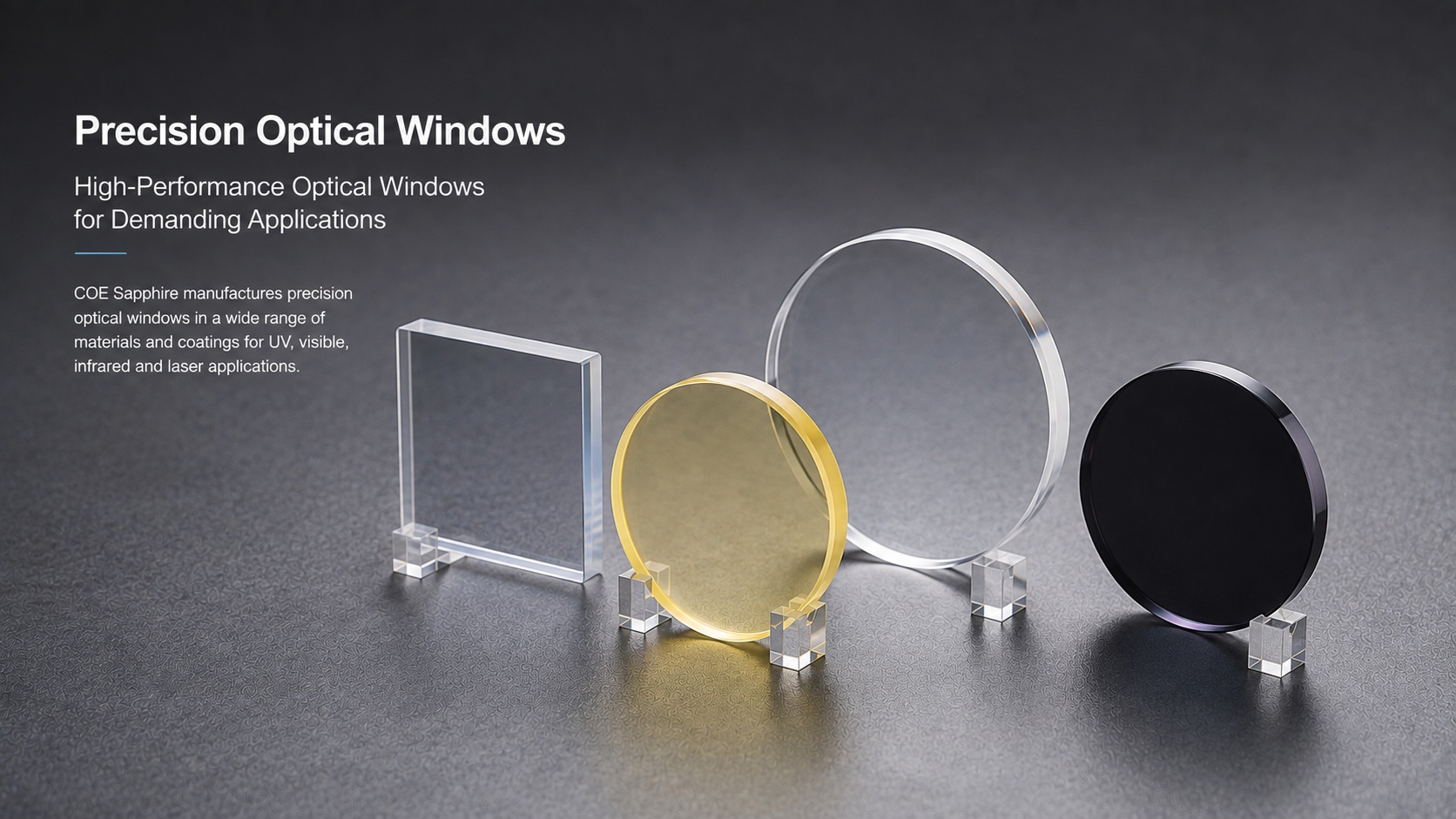
Tight tolerances, controlled surface quality and dependable transmission for demanding optical systems.
UV, visible and infrared materials matched to wavelength, environment and system requirements.
Round, square, rectangular, wedged and custom-shaped windows from prototype through production.
AR, BBAR, laser-line, beamsplitter, filter, reflective and protective coating options.
Select the material according to wavelength range, thermal environment, mechanical durability, laser power, weight and coating requirements.
Windows can be supplied with precision edge treatment, mounting features, holes, slots, steps and application-specific profiles.
Standard diameters and custom circular apertures.
Precision square geometry with controlled edges and corners.
Custom aspect ratios for sensors, enclosures and instruments.
Controlled wedge to suppress etalon effects and ghost reflections.
Angle-optimized windows for polarized laser systems.
Complex profiles, holes, slots and mounting features.
At COE Sapphire, we recommend optical specifications based on your application, performance requirements and budget—not simply the highest tolerance available. Appropriate specifications help reduce manufacturing cost and lead time while ensuring reliable optical performance.
Lower cost, faster delivery and reliable optical performance.
Balanced performance, manufacturability and cost.
Specified only when optical performance requires it.
* Engineering note: Ultra-precision specifications should only be selected when required by the optical design, as tighter tolerances increase manufacturing complexity, lead time and cost.
Share your wavelength, environment, performance requirements and manufacturing budget.
Representative capabilities are shown below. Final tolerances depend on material, size, thickness, geometry and inspection requirements.
| Diameter / Size | Prototype micro-optics through large custom apertures |
|---|---|
| Thickness | Application-specific, including thin and high-aspect-ratio windows |
| Surface Quality | Commercial through precision laser-quality finishes |
| Surface Flatness | Application-specific interferometric control |
| Parallelism / Wedge | Precision parallel or controlled wedge |
| Clear Aperture | Typically specified as a percentage of overall aperture |
| Edge Finish | Fine ground, polished, beveled, chamfered or custom |
| Optical Coatings | AR, BBAR, laser-line, filter, reflective and protective coatings |
Every optical window moves through a controlled process designed to protect edge integrity, surface quality, optical performance and coating reliability.
Material verification, blank cutting and incoming inspection.
Diameter, profile, holes, slots, bevels and custom geometry.
Thickness, flatness, parallelism and wedge control.
Surface quality, transmitted wavefront and clear-aperture control.
AR, BBAR, laser-line, reflective, conductive and protective coatings.
Dimensional, interferometric, cosmetic and coating verification.
Precision windows protect sensors, isolate environments and maintain optical performance across UV, visible and infrared wavelengths.
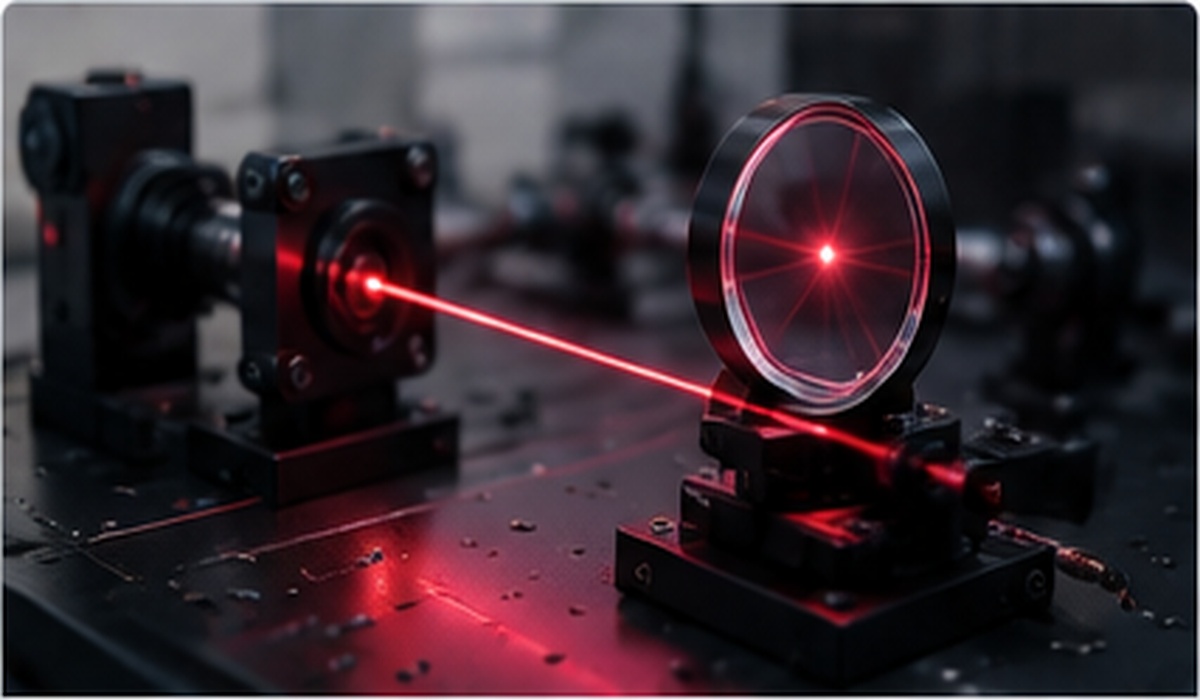
Beam protection, enclosure isolation and high-power laser applications.
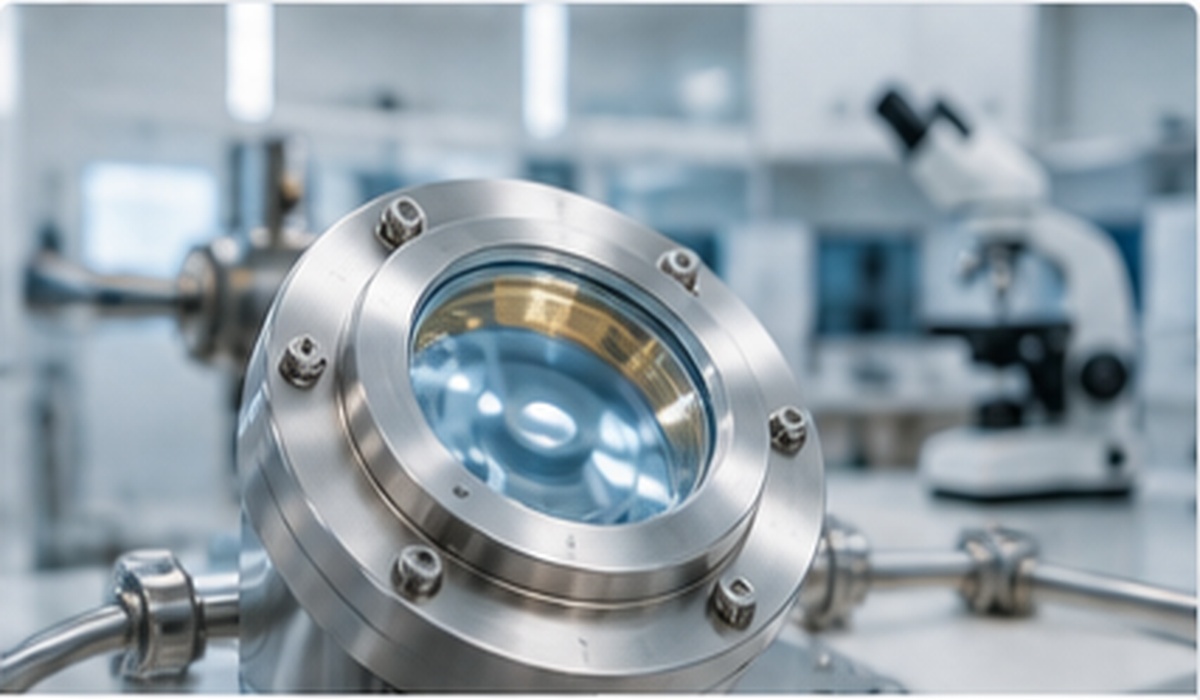
Diagnostic, surgical and analytical optical instruments.
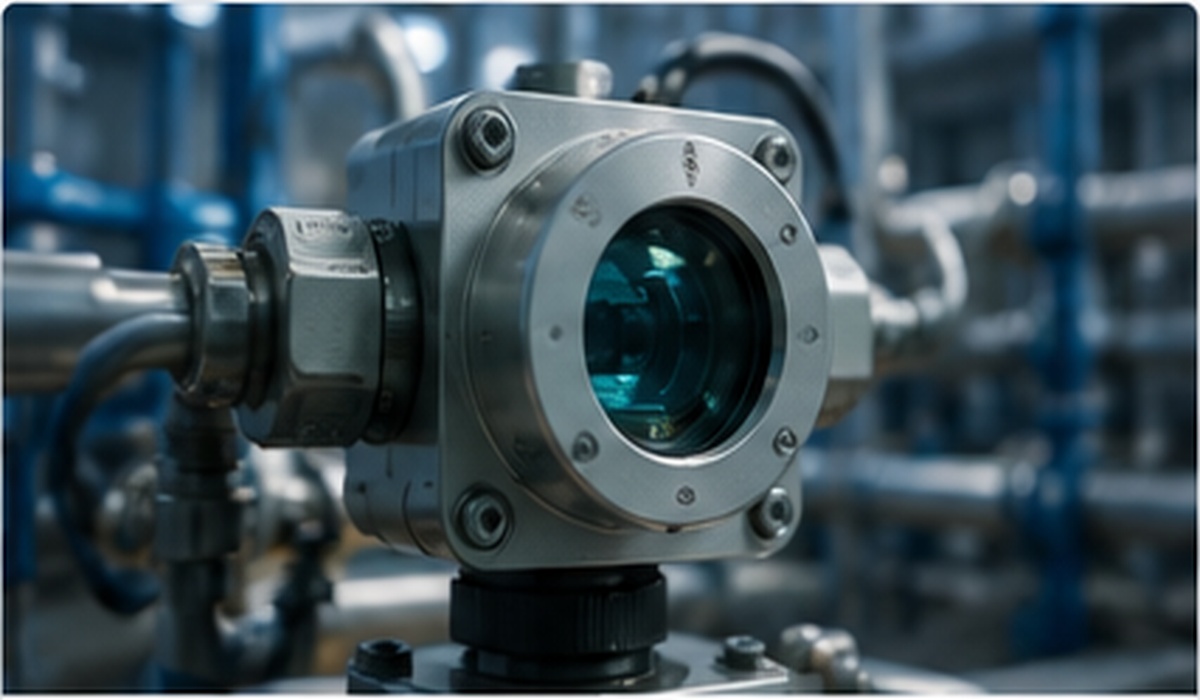
Infrared windows for gas analyzers and environmental sensing.
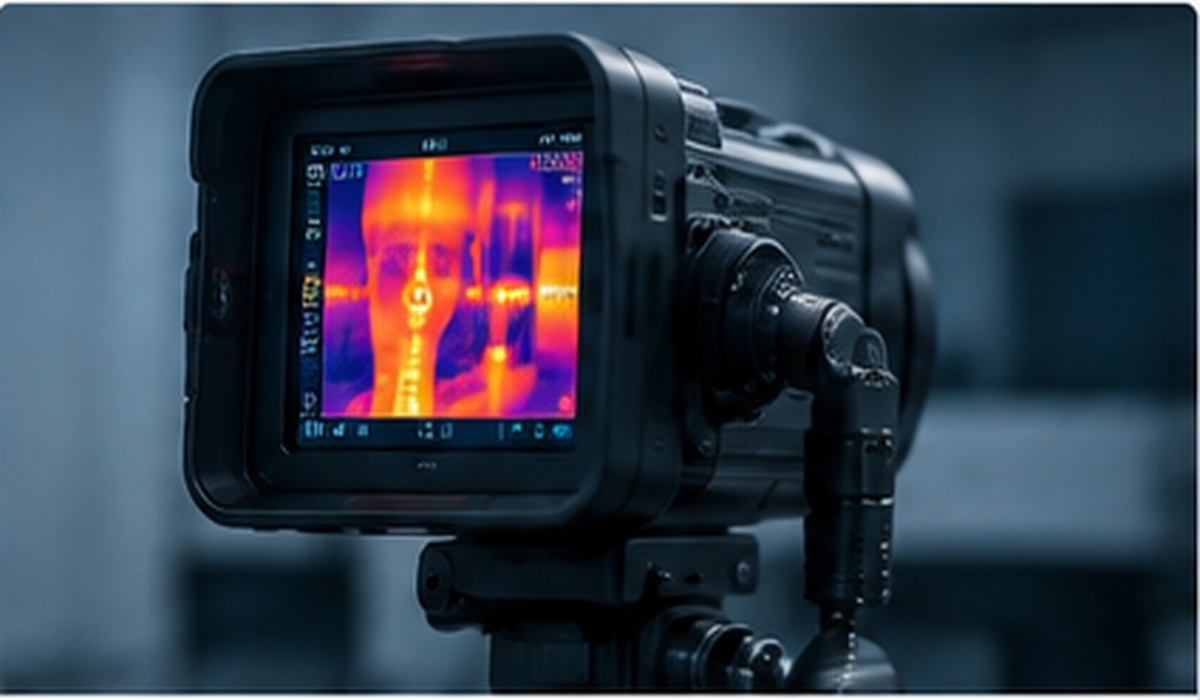
Protective windows for MWIR and LWIR cameras.
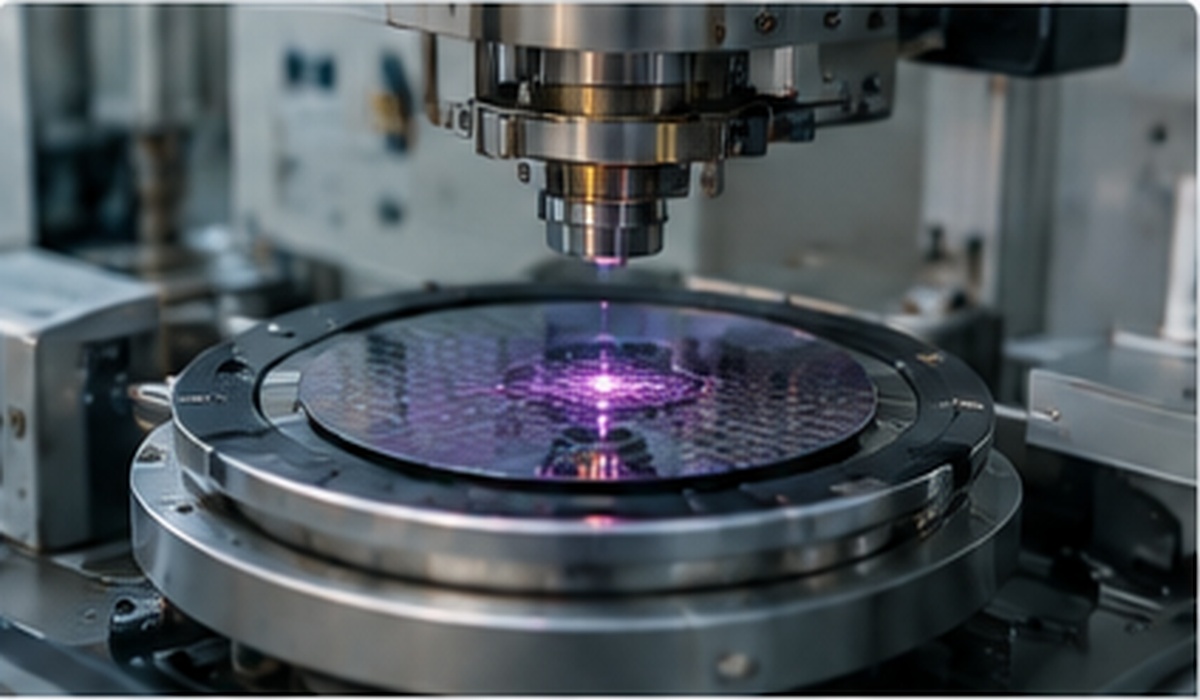
Process, inspection and lithography system protection.
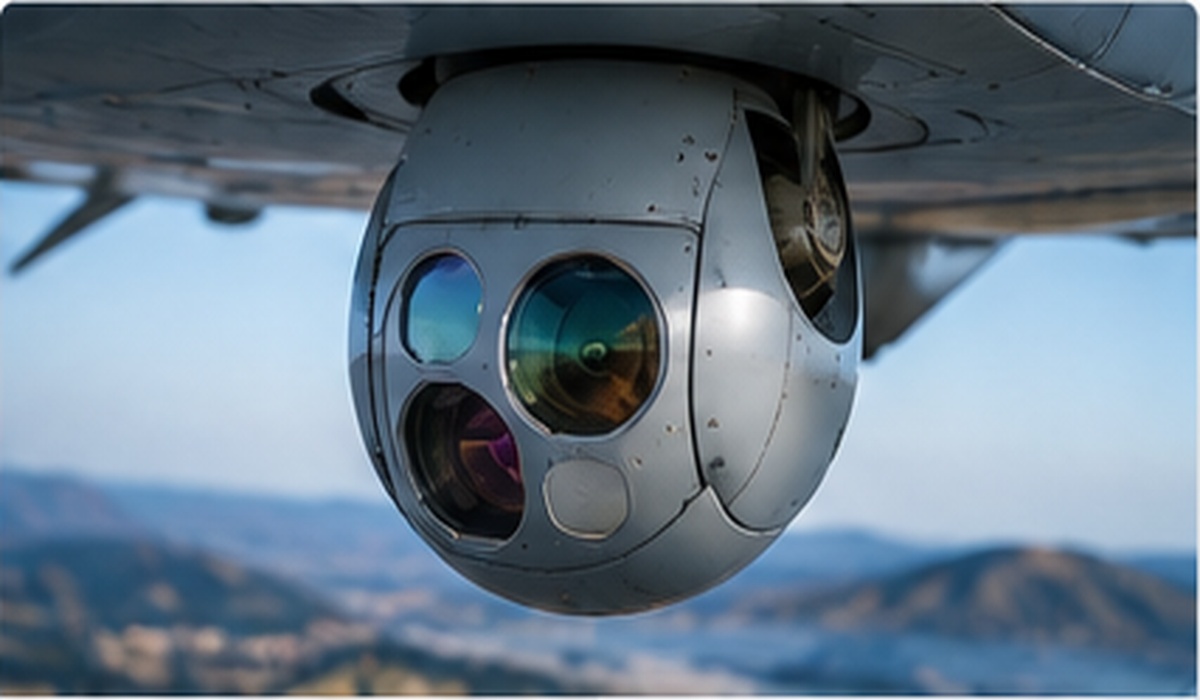
Rugged windows for avionics, sensors and targeting systems.
An optical window is a flat, transparent component that protects an optical system while transmitting the required wavelength range with minimal distortion and loss.
Material selection depends on wavelength, transmission, refractive index, thermal environment, mechanical durability, chemical exposure, weight and coating requirements.
Options include single-band and broadband AR, laser-line AR, beamsplitter, bandpass, reflective, conductive and protective coatings.
Yes. We manufacture round, square, rectangular, wedged, Brewster-angle and custom-profile windows from prototype through repeat production.
Tolerances depend on material, aperture, thickness and geometry. Send your drawing or target specification for an application-specific review.
Use these resources to compare materials, define practical specifications, select coatings and prepare your drawing for manufacturability review.
Learn how to specify dimensions, tolerances, clear aperture, coatings and optical performance for your application.
Read Guide → Material ComparisonCompare sapphire, fused silica, BK7, germanium, silicon, CaF₂, ZnSe and other optical materials.
Compare Materials → Coating GuideUnderstand AR, BBAR, laser-line, reflective, protective and specialty coating options.
Explore Coatings → Engineering SupportSubmit your drawing for review of material selection, manufacturability, tolerances and cost optimization before quotation.
Submit Drawing →Review these common design considerations to avoid unnecessary cost while maintaining optical performance.
Many imaging systems perform well with λ/4 flatness.
Coat only functional optical surfaces whenever practical.
Material choice often matters more than tighter tolerances.
Specify the optical clear aperture separately from overall size.
Standard chamfers reduce cost for many applications.
Explore related materials, optical components, technical resources and industries to make better optical design and sourcing decisions.
Select the right substrate based on wavelength, durability, thermal environment and cost.
Explore additional component families for imaging, laser, sensing and analytical systems.
Learn how to choose practical specifications, materials and coatings for custom optical windows.
See how optical windows are used across demanding commercial, scientific and defense applications.
We can review your application and recommend the most practical optical solution for performance, manufacturability and cost.
Send us your material, wavelength, dimensions, tolerances, coating and quantity requirements.